L.D. Beston (Aust) Pty Ltd supplies high-quality coated abrasives from our Sydney warehouse to industrial customers across Australia. With decades of experience and access to leading brands, we support a wide range of industries, including metalworking, woodworking, and construction.
Industrial Coated Abrasives – Sanding and Surface Finishing Solutions
Our coated abrasives range includes sanding discs, flap discs, belts, and other surface conditioning tools designed for professional use. Whether you're finishing timber, preparing metal, or polishing, we supply reliable products for every application.
Our Coated Abrasives Range
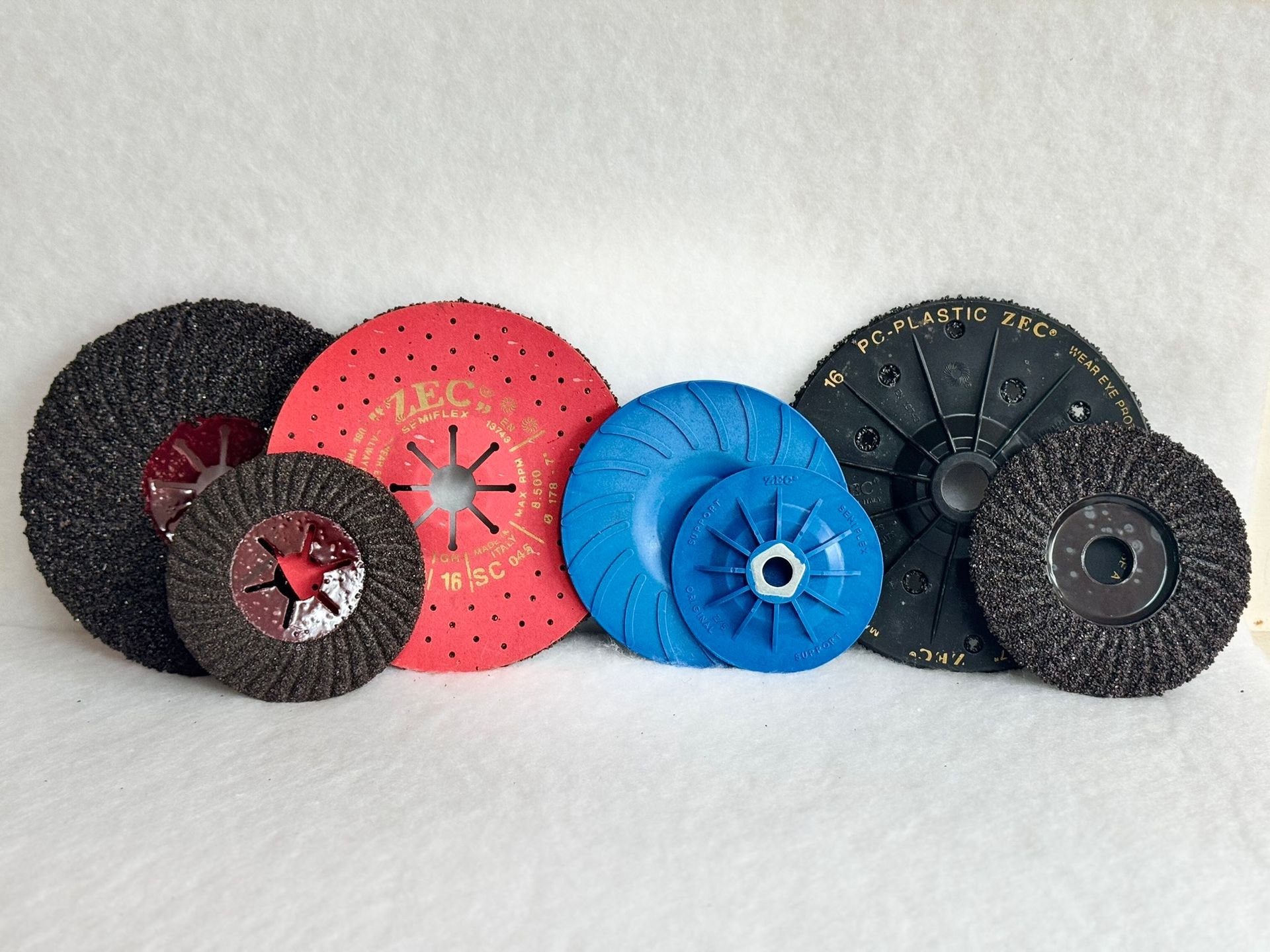
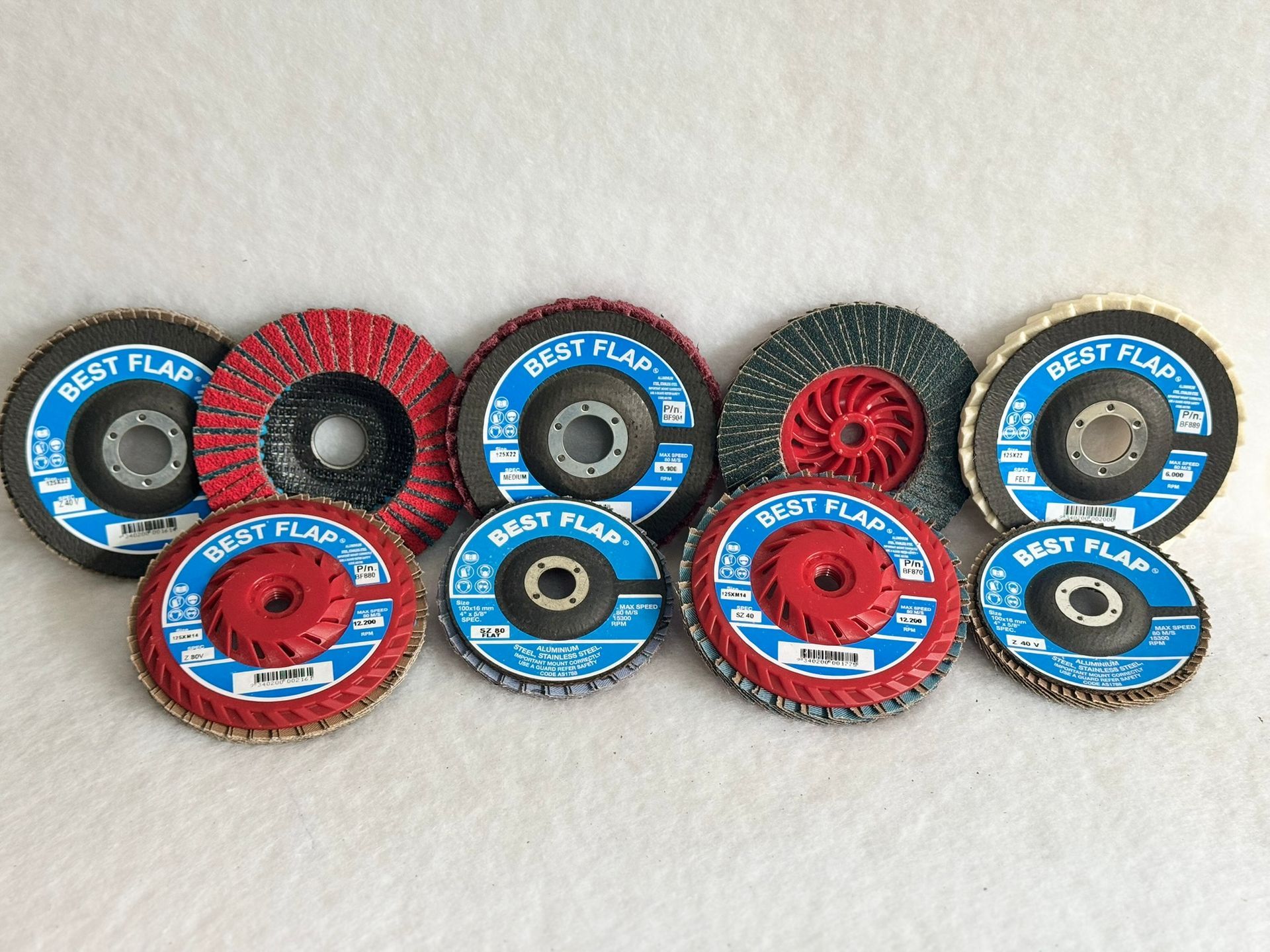
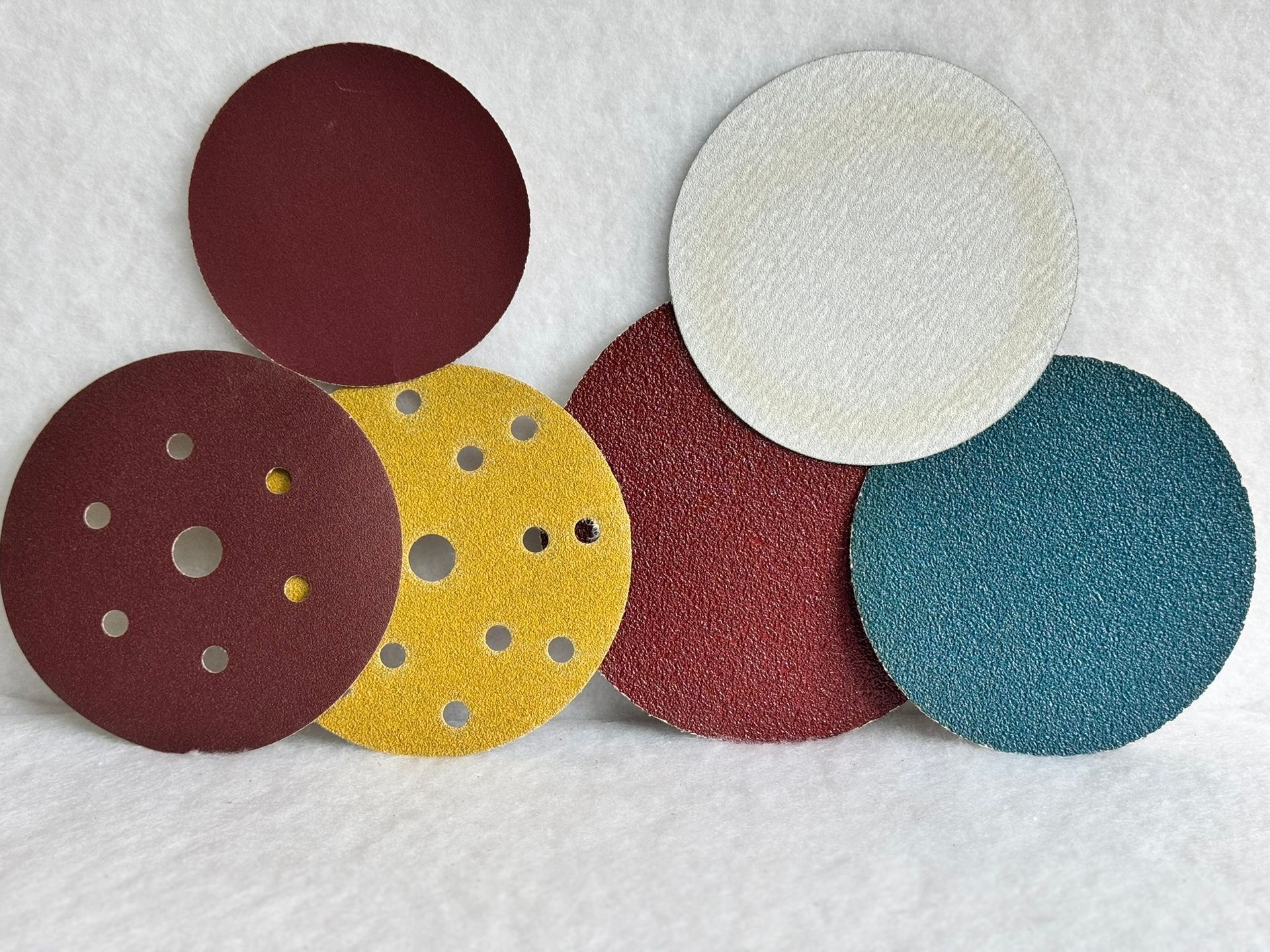
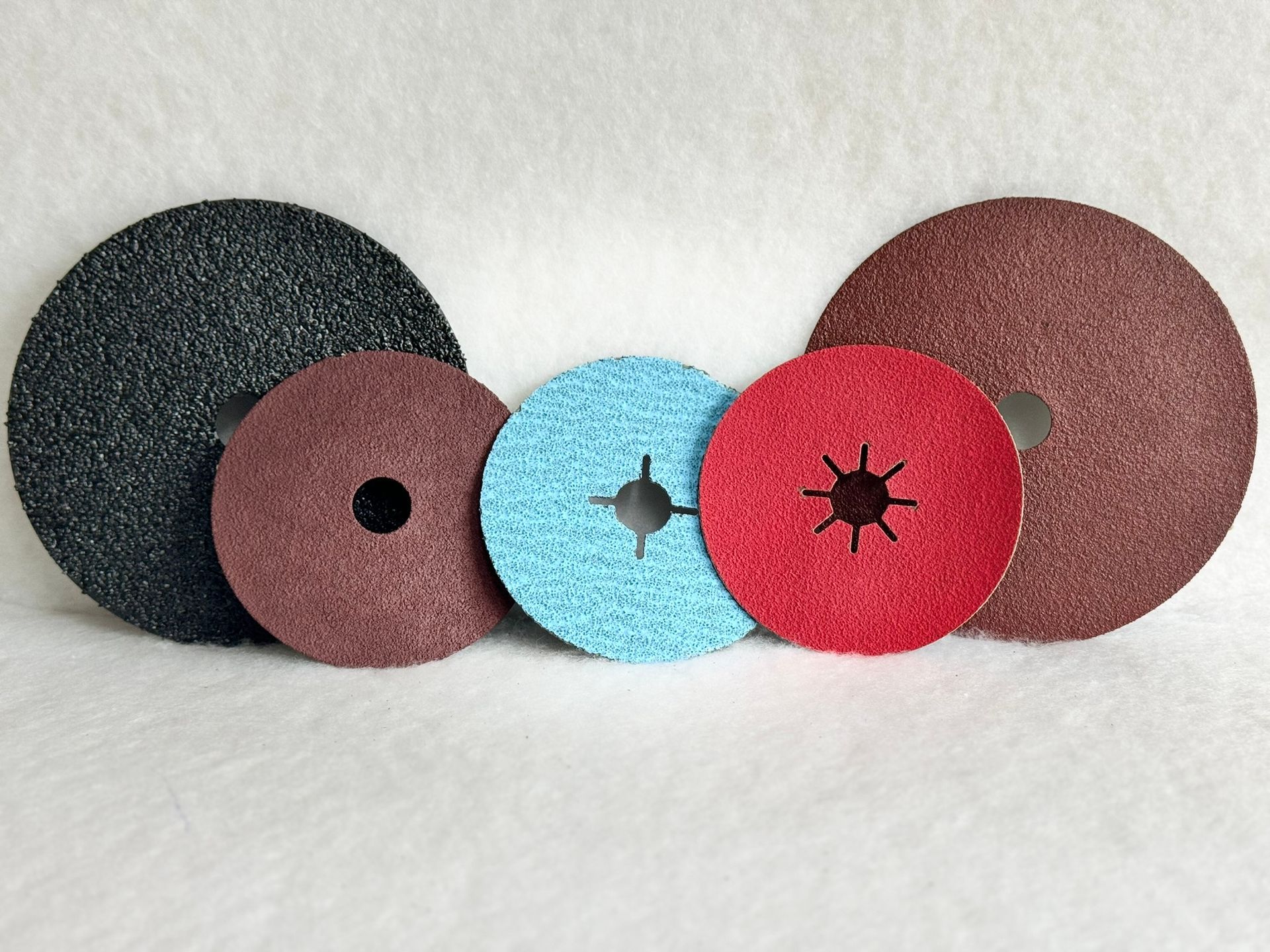
What Are Coated Abrasives and How Do They Work?
Coated abrasives are flexible abrasive products formed by bonding abrasive grain to a backing material using a layered adhesive system. A make coat is applied to the backing, grain is deposited electrostatically across that surface, then a size coat is locked over the grain to reinforce it in place. The result is a product that cuts, grinds, or finishes a workpiece through controlled abrasion while conforming to the surface shape. Unlike bonded abrasives, which press grain into a rigid form, coated abrasives deliver flexibility alongside cutting performance across a broad range of industrial tasks.
What Components Determine the Performance of Coated Abrasives?
Performance depends on three variables working together: grain type, backing material, and bond system.
List of services
-
Grain TypesList Item 1
Aluminium oxide is the most widely used grain for general-purpose metalworking and woodworking. Zirconia alumina offers tougher, self-sharpening cutting action suited to heavy stock removal on hard metals. Ceramic grain is engineered for demanding applications requiring heat resistance and prolonged grain life. Silicon carbide is a harder, sharper grain suited to non-ferrous metals, fibreglass, concrete, and fine finishing.
-
Backing MaterialsList Item 2
Paper backing is lightweight and economical, commonly used in sheet and disc formats for woodworking and light finishing. Cloth backing (cotton or polyester) provides greater tensile strength for belts and discs in metal applications. Film backing offers a dimensionally stable base for precision finishing and finer grits. Vulcanised fibre is a dense, rigid backing used on resin fibre discs for aggressive grinding.
-
Bond SystemsList Item 3
Resin-over-resin bonds are the most common in industrial coated abrasives, offering a strong, heat-resistant hold. Softer bond formulations allow grain to release quickly for a faster cut, while harder bonds extend product life under sustained use.
Product Forms and Industrial Applications
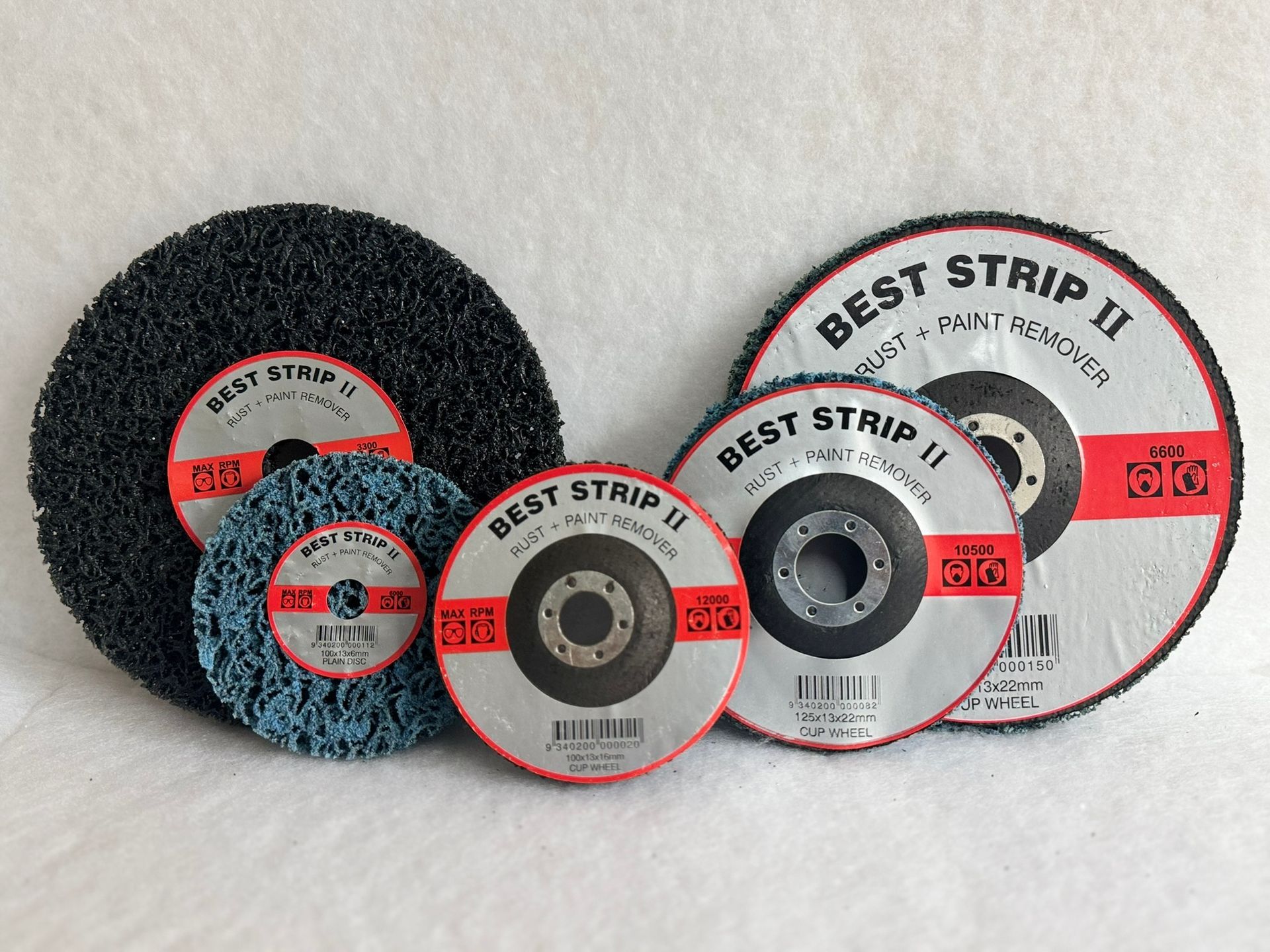
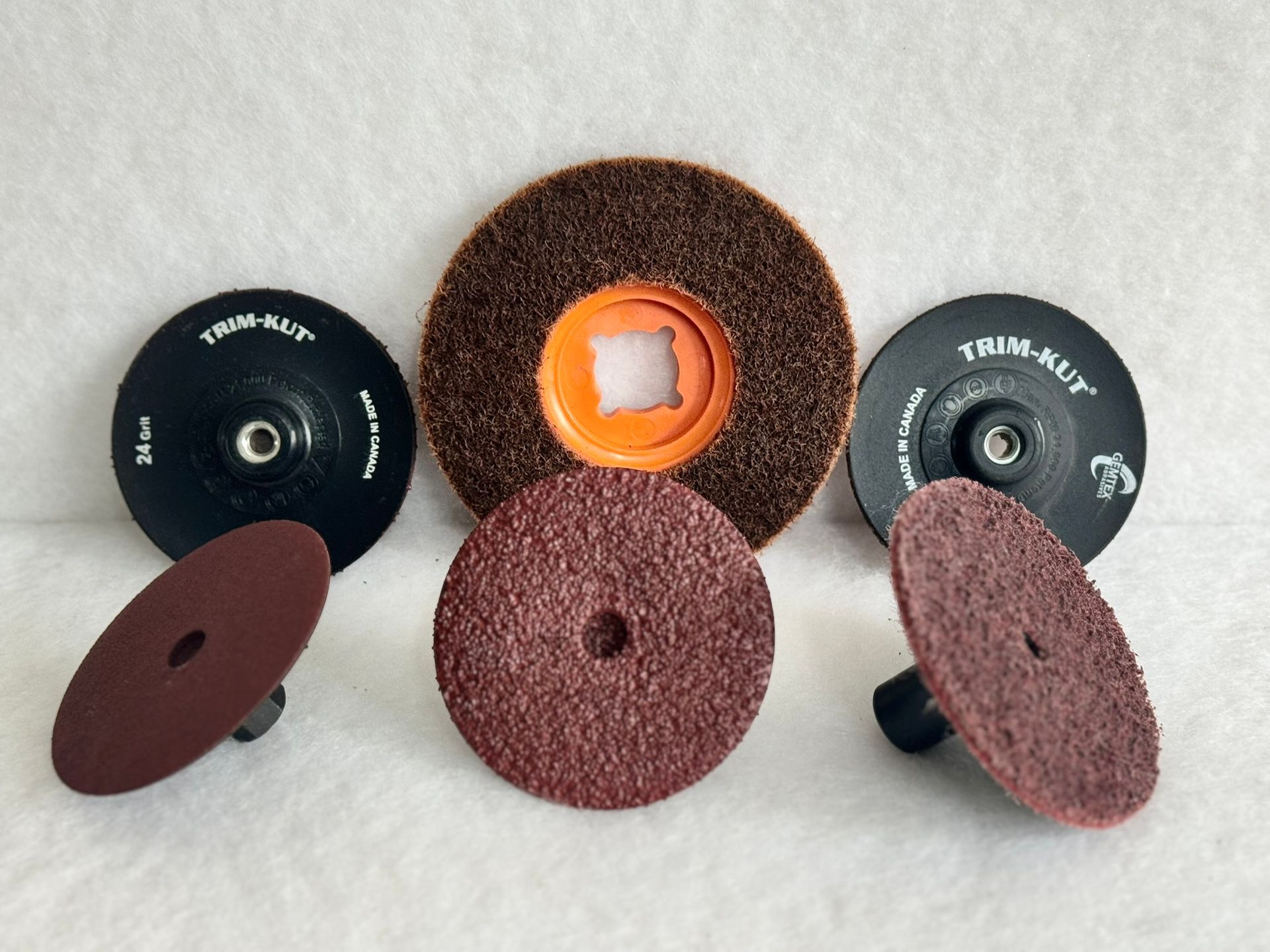
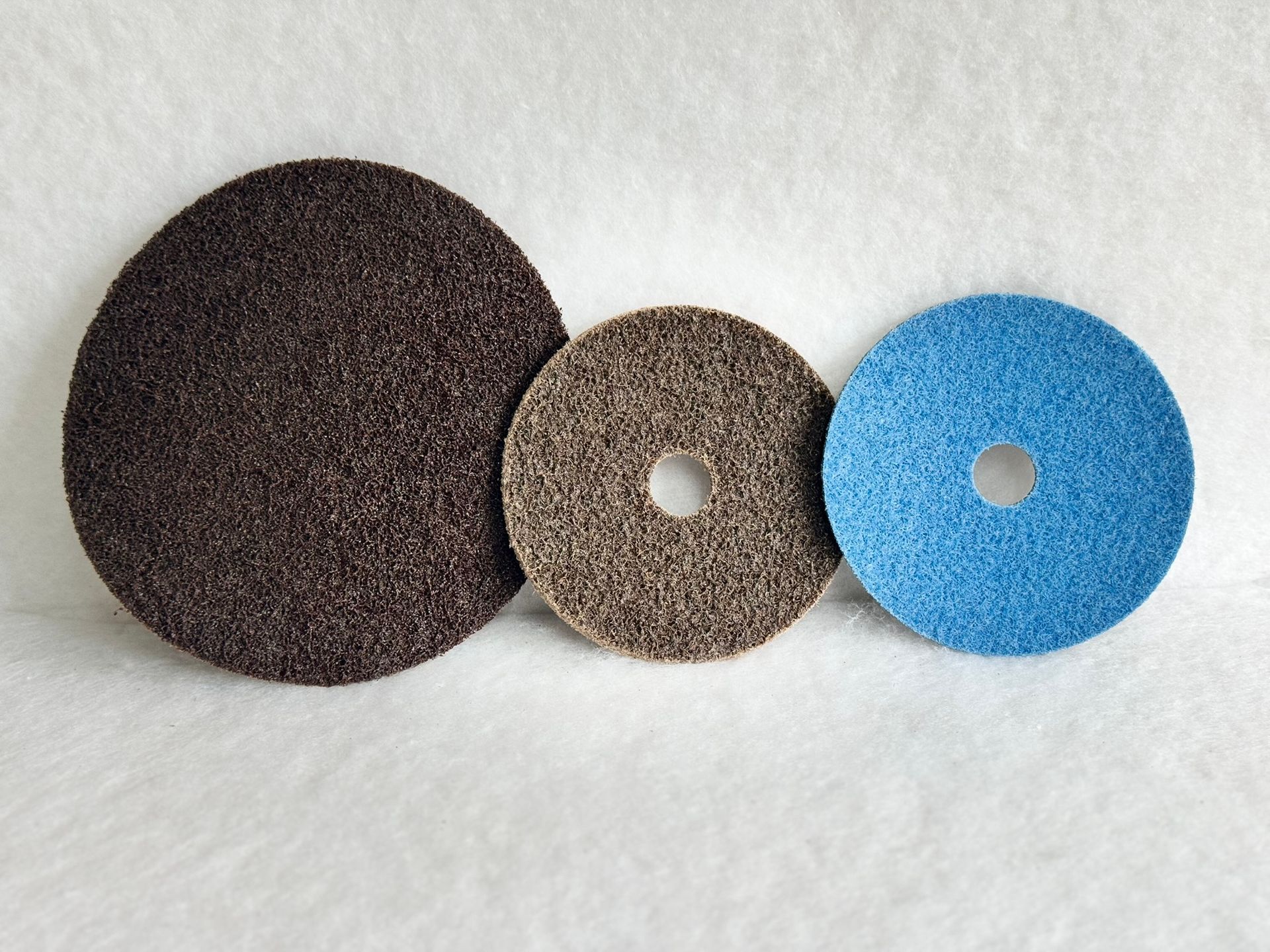
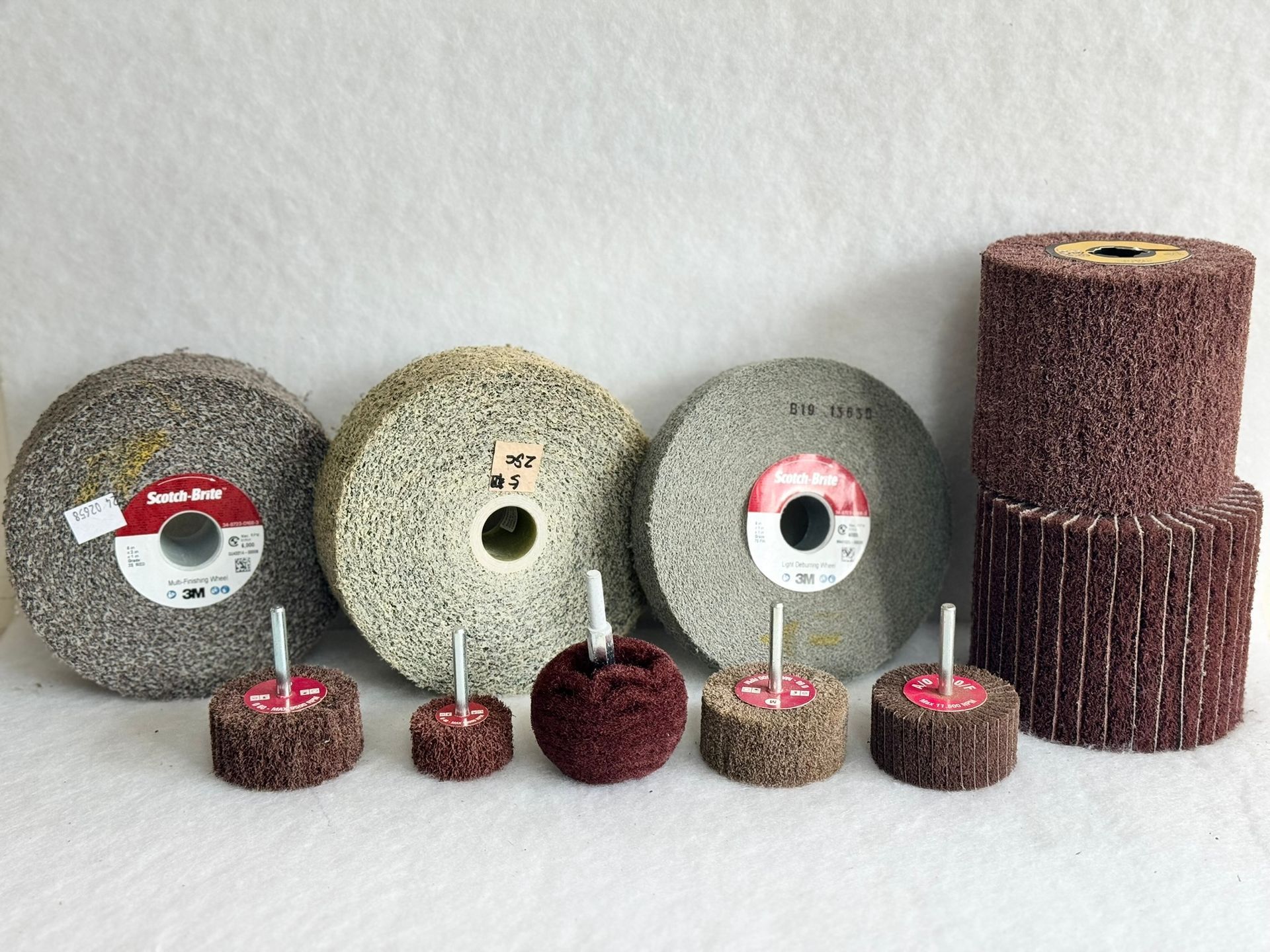
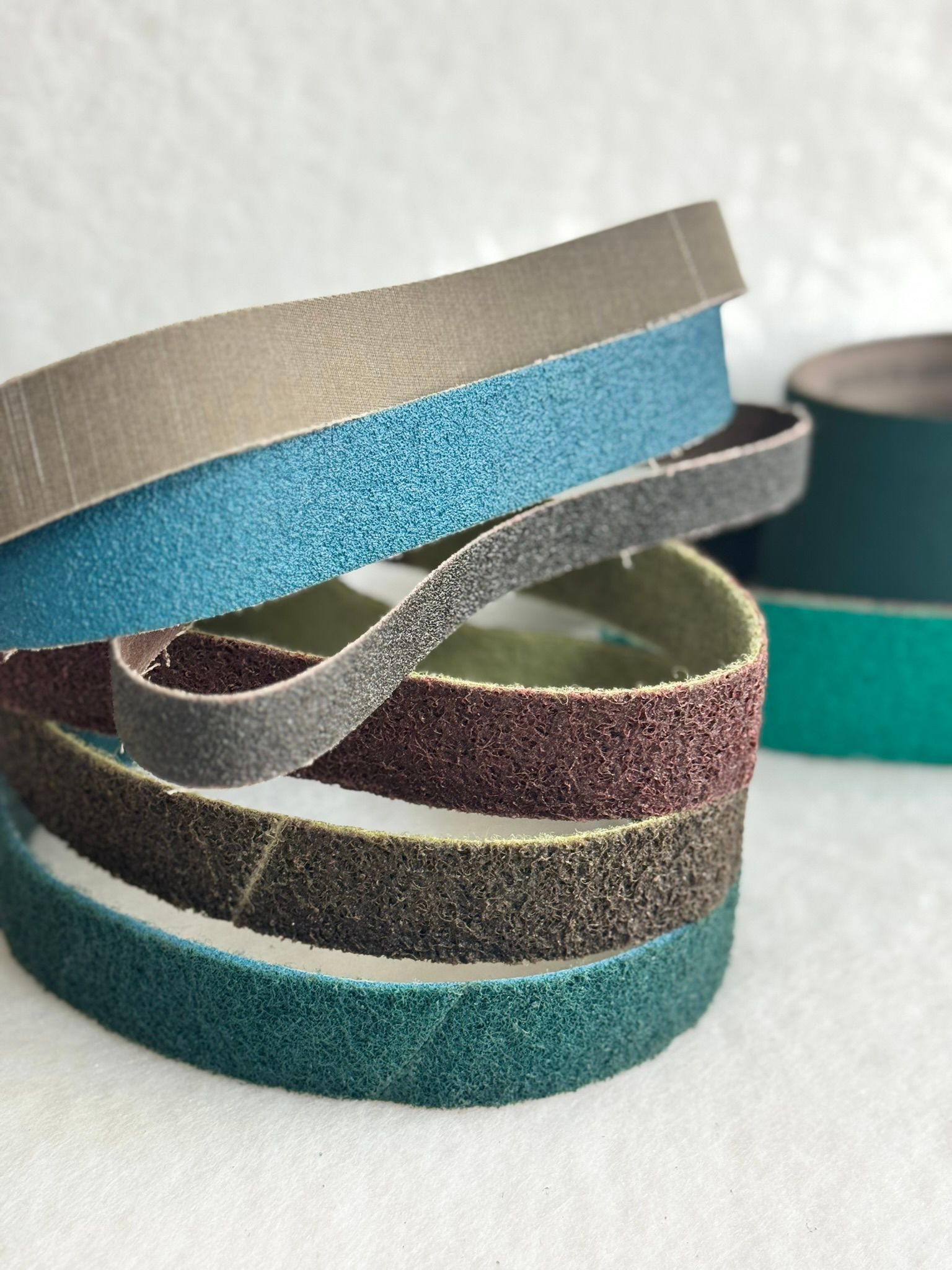
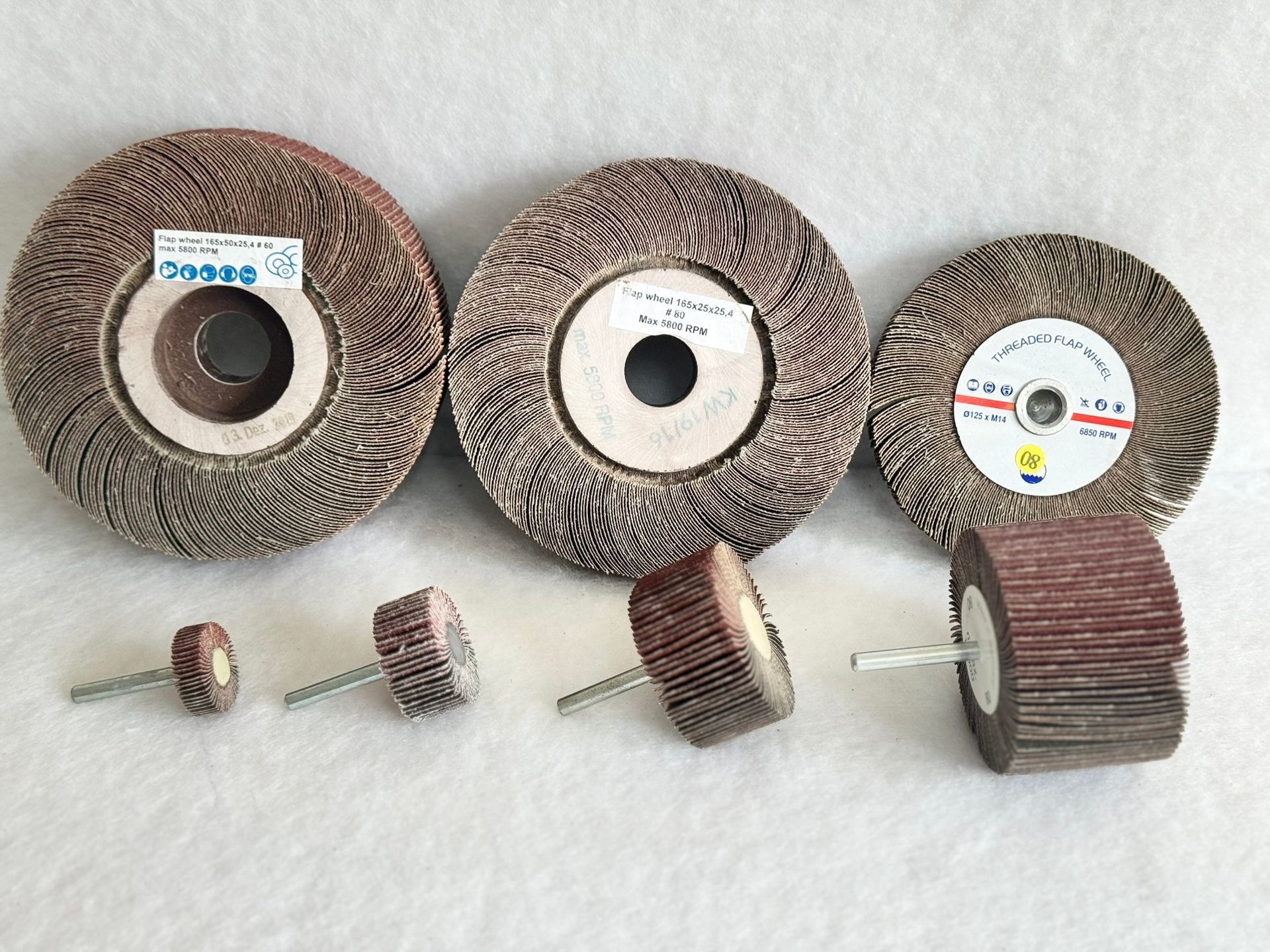
Coated abrasives are available in converted forms to suit specific machines and tasks. Abrasive belts are used on linishing machines and stroke sanders for metalwork, timber, and surface preparation. Sanding discs and fibre discs suit angle grinders and random orbital sanders for weld blending and rust removal. Abrasive rolls allow workshops to cut custom lengths for handheld or machine use. Flap wheels are designed for polishing, deburring, and smoothing contoured surfaces.
L.D. Beston (Aust) Pty Ltd supplies coated abrasives in Rosebery, NSW, to customers across engineering, metalworking, woodworking, mining, and construction. Contact our team on 02 9662 6222 for product advice or to request a quote, or explore our industrial abrasives range.
What Is the Difference Between Open Coat and Closed Coat Abrasives?
Open coat abrasives have grain covering roughly 50 to 70 per cent of the backing surface, leaving gaps that reduce loading and clogging. This suits softer materials such as timber and painted surfaces. Closed coat abrasives carry grain across the full backing area, delivering more aggressive cutting and longer service life on harder materials like steel.
Which Grain Is Best for Grinding Stainless Steel?
Zirconia alumina and ceramic grain are the preferred options. Both offer a tough, self-renewing cutting edge that handles the work-hardening properties of stainless steel more effectively than standard aluminium oxide. For contamination-sensitive applications, a grain and bond system certified as iron- and sulphur-free may also be advisable.
How Do I Select the Right Grit for My Application?
Coarser grits (24 to 80) suit heavy stock removal and weld blending, medium grits (100 to 180) suit intermediate smoothing and surface preparation, and finer grits (220 and above) suit final finishing and polishing. Progressing through grit sequences in steps helps achieve a consistent finish.
Can Coated Abrasive Belts Be Used Wet or Dry?
This depends on the backing and bond system. Cloth-backed belts with a waterproof resin bond can typically be used wet, reducing heat build-up and extending belt life. Paper-backed products are generally suited to dry use only. Always confirm the product specification before applying coolant or water.
How Do I Know When a Coated Abrasive Product Needs Replacing?
Common indicators include a drop in cutting speed, glazing of the grain surface, visible grain pullout, or backing tears. Continuing to use a worn product risks poor surface finish, increased heat, and workpiece damage. Regular inspection and timely replacement help maintain consistent results.
FAQs
Explore our coated abrasives range by phoning 02 9662 6222 for advice and ordering.