Why Surface Preparation Matters Before Industrial Coating and Finishing
Proper surface preparation is one of the most critical steps in any industrial coating or finishing project, yet it is often rushed or underestimated. Whether the work involves painting structural steel, applying protective coatings to machinery, or finishing fabricated metal components, the condition of the surface beforehand determines how well the final coating holds up. Working with a trusted Industrial Abrasives Supplier serving Rosebery, NSW, gives your team access to the right products and knowledge to get this step right from the start.
Why Surface Preparation Affects Coating Performance
When a surface carries rust, mill scale, grease, old paint or other contaminants, coatings struggle to bond properly. Over time this causes blistering, peeling or premature failure — often costing far more to repair than preparing correctly upfront.
Industrial abrasives are central to this process. Grinding wheels, flap discs and coated abrasive belts strip contamination and create a clean, roughened surface that gives coatings grip. The right surface profile, or anchor pattern, lets coatings mechanically bond and resist moisture, chemicals and wear. Sourcing these products through a qualified Industrial Abrasives Supplier ensures your materials are properly matched to your specific application.
What Happens When Surfaces Are Not Prepared Correctly?
Skipping surface preparation can trigger coating failure within months. Typical outcomes include corrosion creeping beneath the coating, adhesion loss at edges and welds, and delamination across large areas. In manufacturing, construction and metal fabrication, this creates safety risks and costly unplanned downtime.
Contamination is often invisible. Thin oil films from machining, residual chlorides from environmental exposure or embedded rust particles can undermine even premium coating systems. Thorough mechanical preparation with the correct industrial abrasives removes these threats before finishing begins. An experienced Industrial Abrasives Supplier can advise on the best products for your contamination types and substrate conditions.
Common Abrasive Methods Used in Surface Preparation
Abrasive blasting suits large steel structures, propelling media like steel grit, garnet or aluminium oxide at high speed to strip rust and create a consistent profile. Smaller or detailed jobs use hand grinding and power tools:
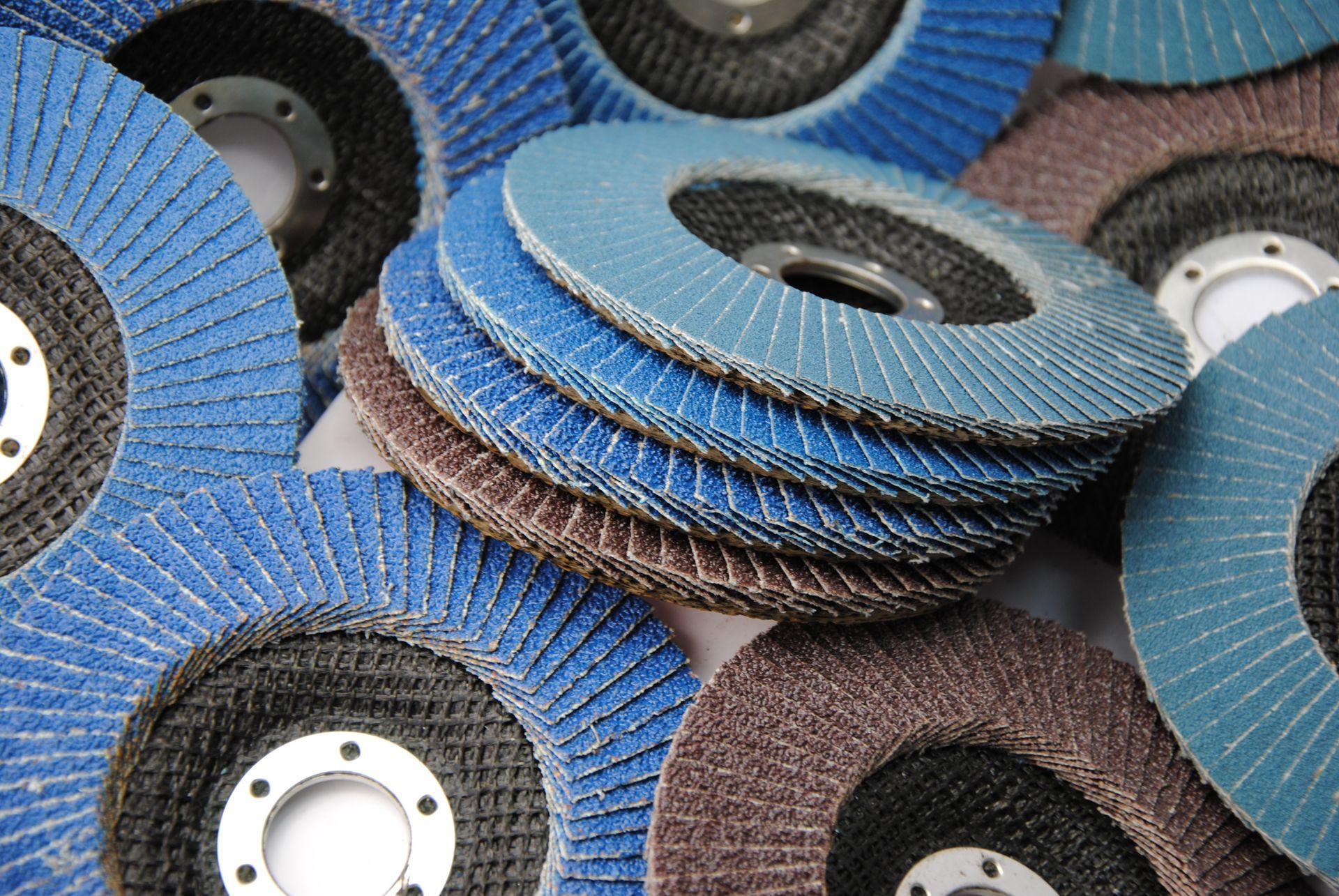
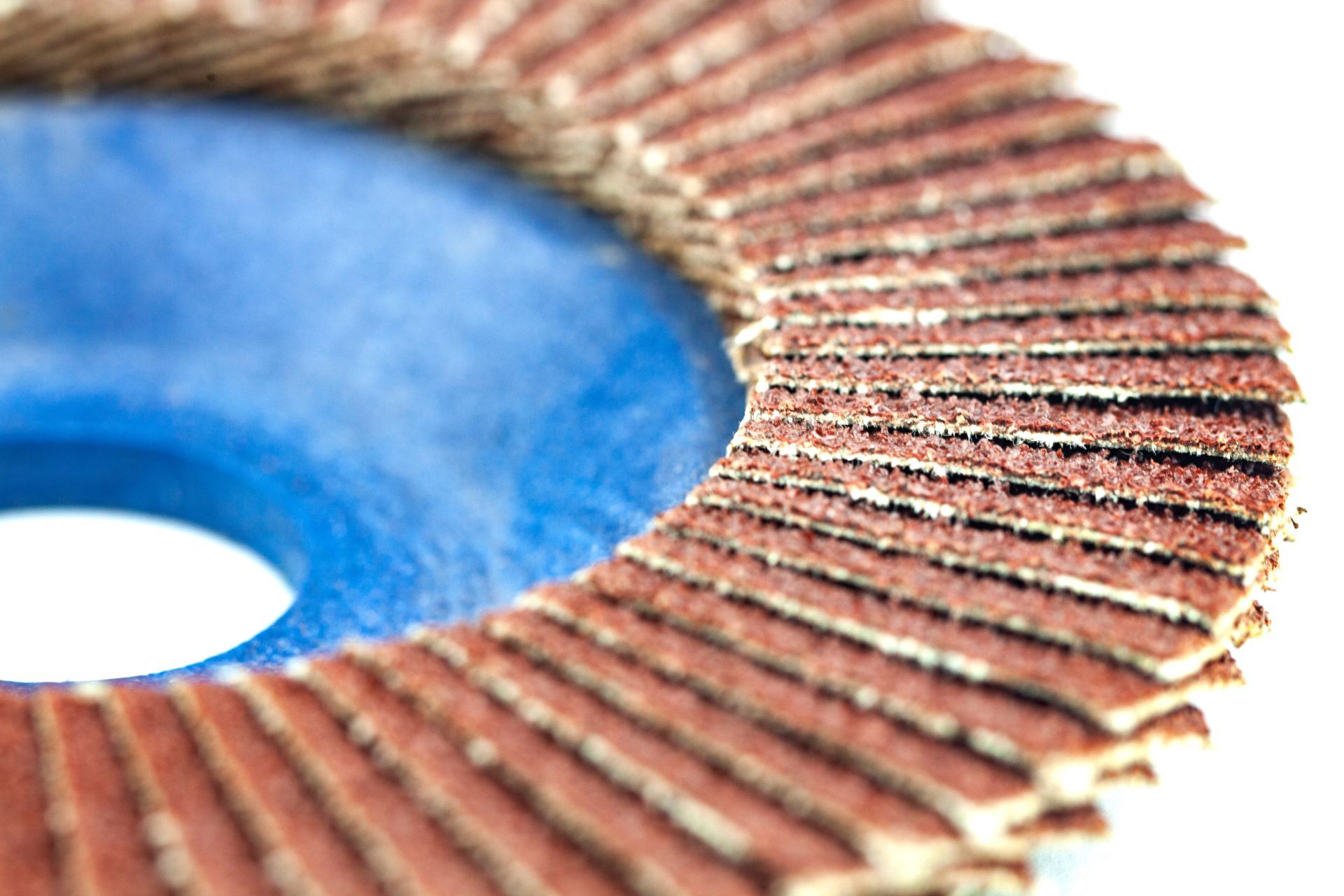
▸ Flap discs for blending and conditioning steel and stainless steel.
▸ Fibre discs for heavy material removal and rust stripping.
▸ Wire wheels and brushes for weld cleaning and scale removal.
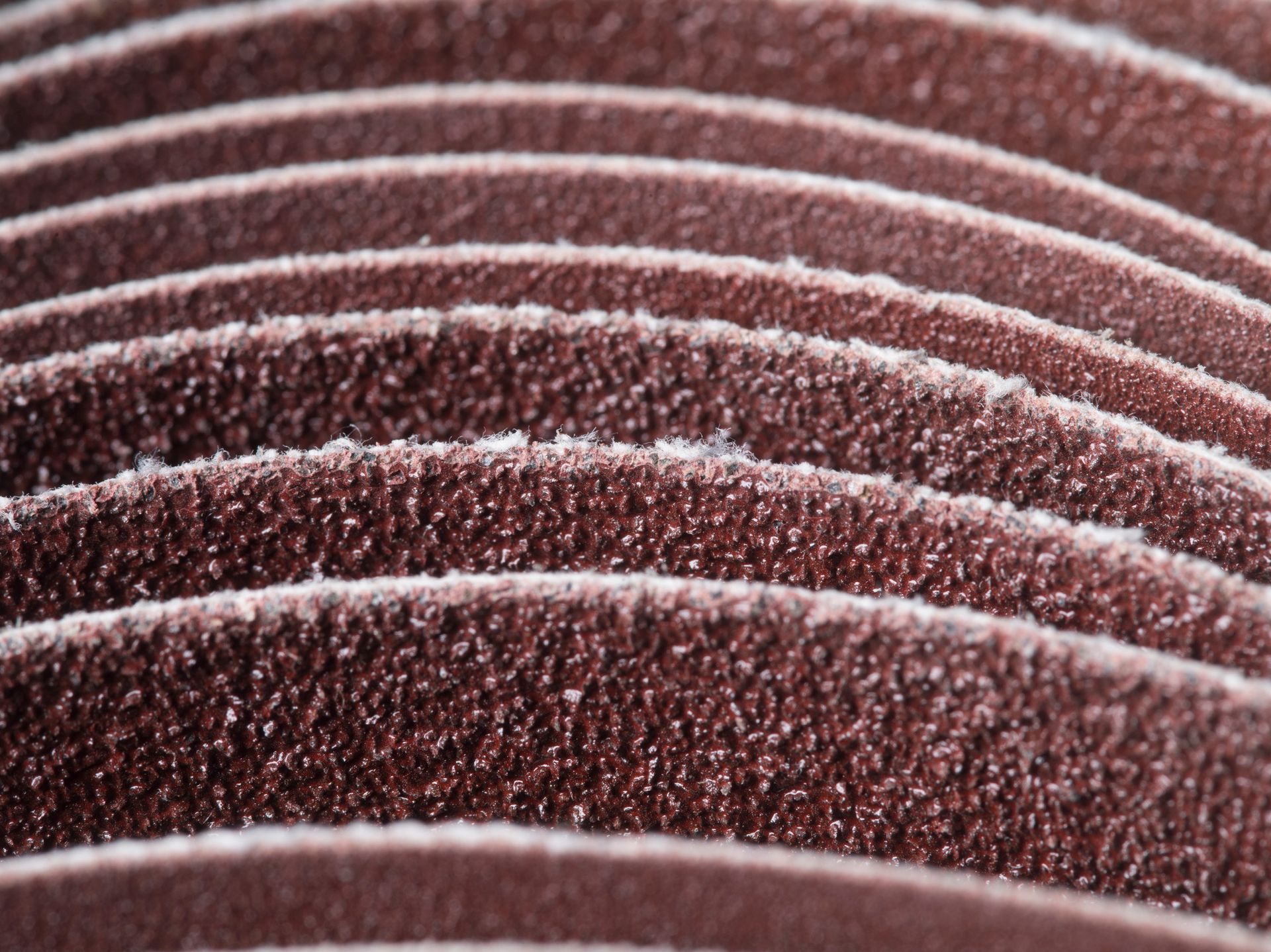
▸ Coated abrasive belts for linishing and finishing fabricated parts.
Matching abrasive type, grit and method to the coating system and substrate ensures consistent, durable results. A knowledgeable Industrial Abrasives Supplier can identify the right combination.
Grit Selection and Its Role in Surface Quality
Coarser grits remove material and contamination faster but leave a rougher anchor pattern, which suits thicker protective coatings. Finer grits are better suited to light finishing work and topcoat preparation where a smoother surface is needed.
Ready to Source the Right Abrasives for Your Next Project?
Selecting the right abrasive products for surface preparation makes a measurable difference to how long your coating lasts.
L.D. Beston, a Sydney-based Industrial Abrasives Supplier serving Rosebery, NSW, stocks a wide range of abrasive products suited to surface preparation across metalworking, construction, and fabrication. Explore the
surface preparation tools range or
get in touch with the team to discuss the right products for your application.