Bonded Abrasives Explained: Grain Types, Bond Systems & How to Choose the Right Wheel (2026 Guide)
Bonded abrasives are among the most widely used tool types in industrial manufacturing, and choosing the wrong wheel can cost Australian operators time, money, and tool life. This guide explains what bonded abrasives are, how they are built, and how to select the right product for your application in 2026.
What Are Bonded Abrasives?
Bonded abrasives are abrasive grains pressed and fused together using a bonding agent to form solid, rigid shapes. Unlike coated abrasives, which bond grains to a flexible backing, bonded products hold their shape under the high forces of grinding and cutting. They are produced in a range of forms including grinding wheels, cutting discs, mounted points, and segments.
Every bonded abrasive wheel has three key components: the abrasive grain, the bond that holds grains together, and the pores or voids that allow swarf and heat to escape during use.
Understanding the Four Main Bond Types
Vitrified Bond
Vitrified wheels are fused with a glass-like ceramic material at high temperatures. They are rigid, porous, and resistant to water, oils, and heat, making them suited to precision surface grinding, cylindrical grinding, and tool-room work.
Resin Bond
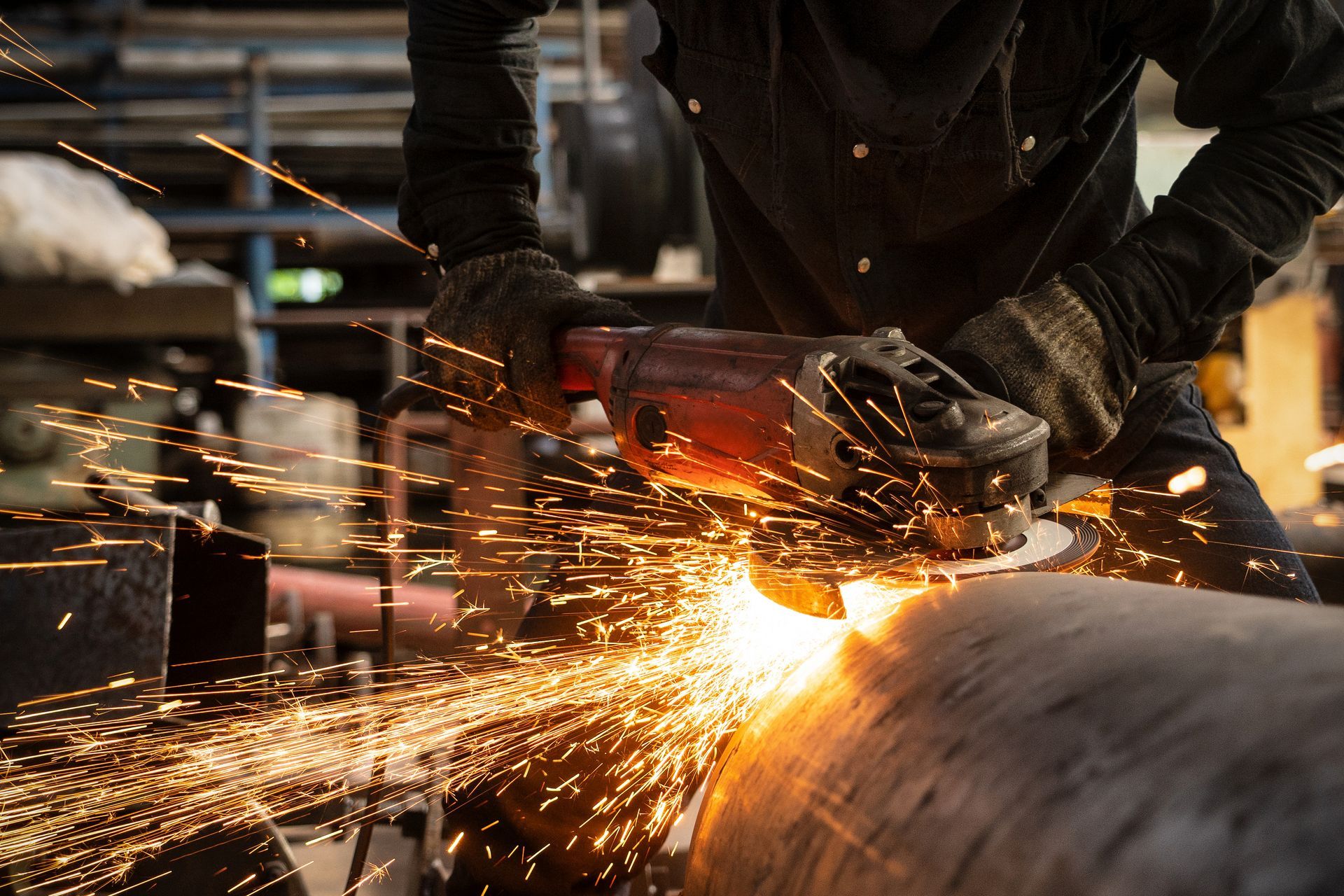
Resin-bonded wheels use a synthetic resin matrix. They are tougher and more flexible than vitrified wheels, well suited to heavy-duty grinding, cut-off operations, and angle grinder applications. Resin bond is the most common type found in general fabrication shops.
Rubber Bond
Rubber bond provides the most flexible matrix of the common bond types. These wheels are used for precision cut-off work, centreless grinding, and applications requiring a smooth, fine finish. Their flexibility helps reduce chatter and vibration.
Metal Bond
Metal bond wheels use a sintered or electroplated metallic matrix to hold superabrasive grains, most commonly diamond or CBN. They offer exceptional durability for grinding carbide, ceramics, and hardened tool steels.
Abrasive Grain Types and What They Cut Best
Aluminium oxide is the most widely used grain and performs well on steel, stainless steel, and high-tensile metals. It is tough and fractures to produce fresh cutting edges over time. Silicon carbide is sharper but more brittle, making it suited to concrete, masonry, cast iron, fibreglass, and non-ferrous metals. CBN is used in metal-bonded wheels for precision grinding of hardened steels and superalloys. Diamond abrasive is used for cutting and grinding carbide tooling, ceramics, stone, and glass.
Common Wheel Forms and Their Industrial Uses
Depressed-centre grinding wheels are designed for angle grinders and suit aggressive stock removal and weld blending. Straight grinding wheels are used on bench and cylindrical grinders for tool sharpening and precision diameter work. Cut-off wheels are thin reinforced discs for parting off bar stock or cutting structural sections. Mounted points are small shaped wheels used in die grinders for deburring and detail grinding in confined areas.
Bonded vs Coated Abrasives
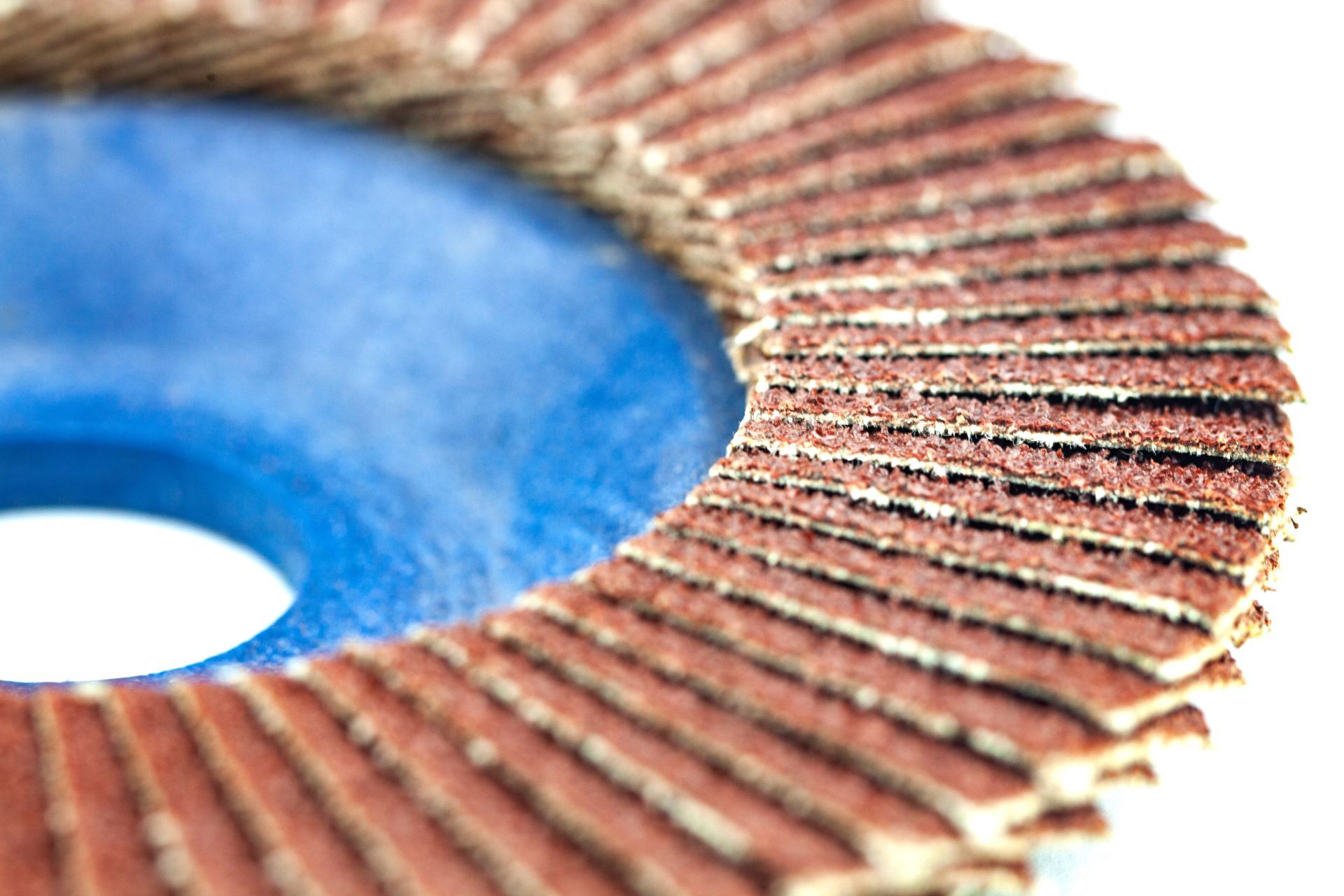
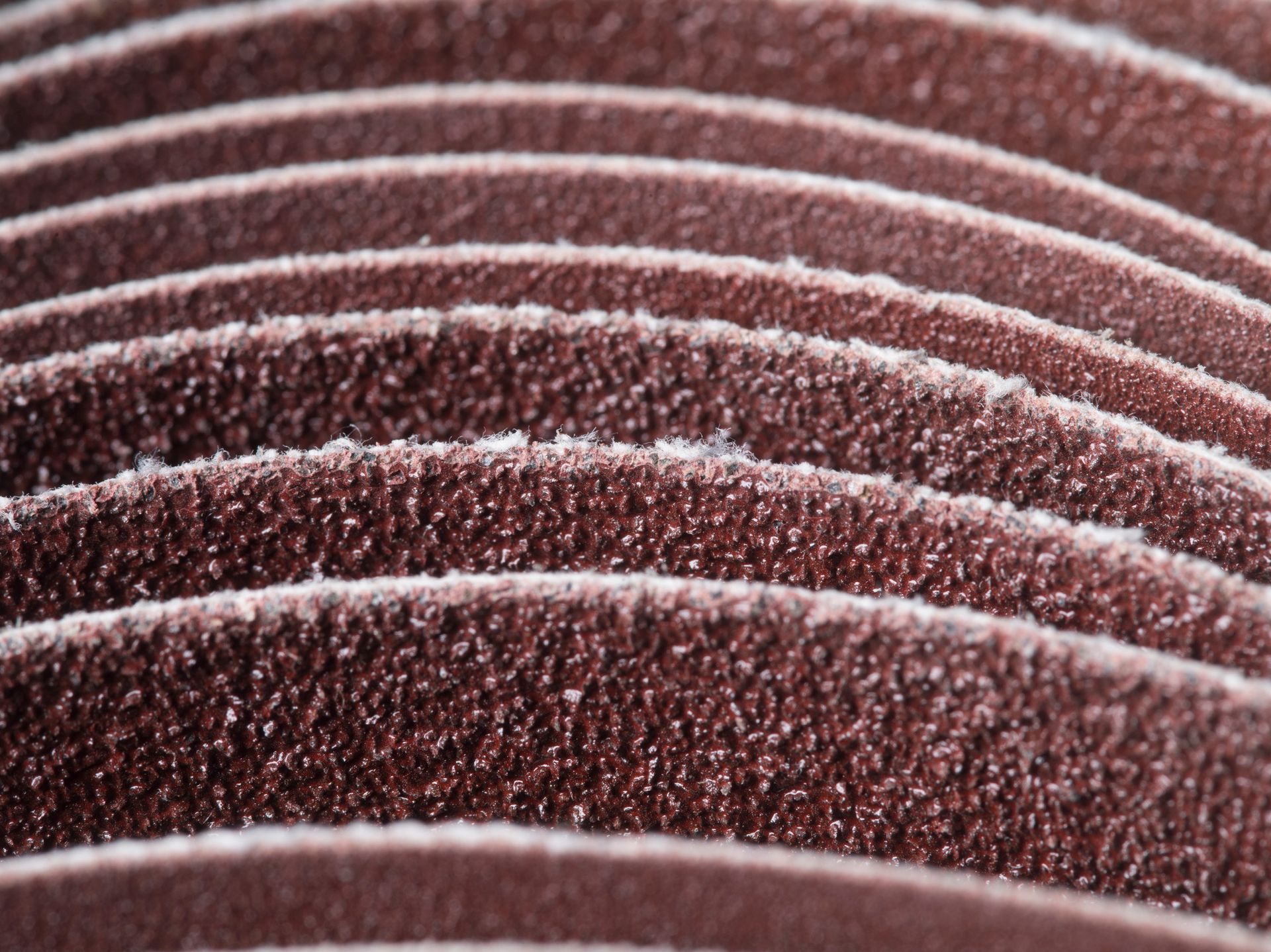
Bonded abrasives are best suited to heavy stock removal, precision grinding, and cutting. Coated abrasives bond grains to a flexible backing and are better suited to surface finishing, sanding, and polishing. Many workshops use both, selecting based on the stage of the job and finish required. Explore the full abrasives range for an overview of both types.
How to Choose the Right Bonded Abrasive Wheel
Start with the grain type to match the workpiece material, then select the bond system based on the machine and aggressiveness of the cut. Grit size determines finish: lower numbers remove material faster, higher numbers produce smoother surfaces. Always confirm that the maximum operating speed marked on the wheel meets or exceeds the speed of your grinder before use.
What Grit Size Should I Use for Grinding Steel?
For weld removal and fast stock removal on steel, a grit range of 16 to 36 is typical. For blending and finishing, grits between 60 and 80 produce a finer result.
Can I Use the Same Wheel on Steel and Stainless Steel?
Some aluminium oxide wheels are rated for both, but check the specification. Wheels containing iron, sulphur, or chlorine compounds are not suitable for stainless steel, as these contaminants can cause surface defects and corrosion.
What Does the Wheel Specification Code Mean?
A standard marking includes grain type, grit size, grade (hardness), structure, and bond type. For example, A36-L5-V indicates aluminium oxide grain, 36 grit, L-grade hardness, structure 5, and vitrified bond. Manufacturer catalogues and supplier technical teams can help interpret specific codes.
How Often Should Bonded Grinding Wheels Be Dressed?
Dress wheels when they begin to glaze, load up with metal particles, or produce burn marks on the workpiece. Regular dressing with a suitable wheel dresser restores the cutting face and extends overall wheel life.
Get the Right Bonded Abrasive for Your Application
L.D. Beston (Aust) Pty Ltd has been supplying industrial abrasives across Australia since 1952, with a warehouse in Rosebery, NSW, serving customers Australia-wide. The team can assist with product selection across the full bonded abrasives range, from depressed-centre grinding wheels and cut-off discs to vitrified surface grinding wheels and mounted points. Browse our
bonded abrasives range
or
get in touch with our team for expert advice on your application. Call
02 9662 6222 Monday to Friday, 8:30 am to 4:30 pm, or
find us on Google Maps.